

There’s a kind of loneliness that doesn’t look like loneliness.
It doesn’t show up as sitting alone in a room. It shows up in crowded rooms, in busy schedules, in relationships that are technically fine. It’s the feeling of being surrounded by people and still feeling unseen. Of talking every day but never really being heard.
This kind of loneliness is harder to name, because the outside doesn’t match the inside.
We have people. We have routines. We have activity. And yet, somewhere beneath it all, there’s a persistent feeling of emotional distance. A gap between how connected our life looks and how connected it actually feels.
I’ve noticed that this loneliness often comes with guilt. Because if you’re not alone, you feel you don’t have the right to feel lonely. So you keep it to yourself. And the very act of hiding it deepens it.
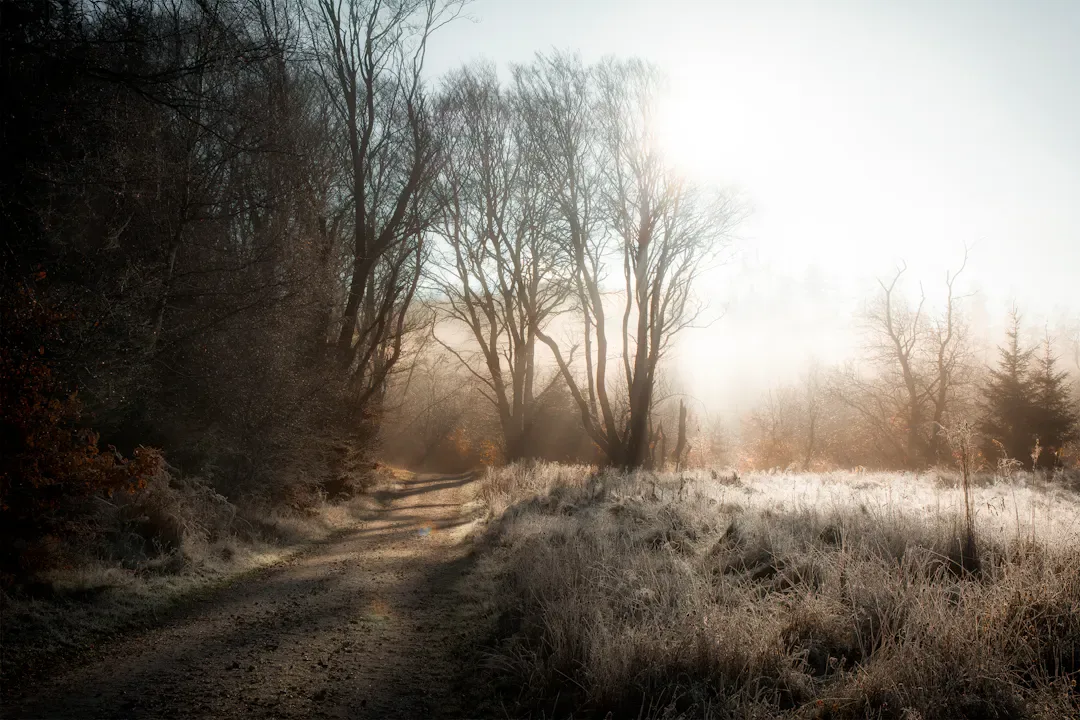
What many of us don’t realise is that loneliness isn’t about how many people are around us. It’s about whether we feel safe enough to be honest with them. Whether we can share what’s actually on our mind without performing, editing, or filtering ourselves.
Over time, we learn to adapt. We learn which parts of ourselves are acceptable to show and which are best kept hidden. We adjust our words to suit the room. We smile when we’re expected to. And slowly, we create a version of ourselves that others know — but it’s not quite us.
And that’s where the loneliness lives. In the gap between who we are and who we show the world.
It’s exhausting, carrying that gap in silence.
“The deepest loneliness is not being alone — it’s being with others and still feeling like no one really knows you.
This kind of loneliness doesn’t always announce itself clearly. Sometimes it shows up as irritability. Sometimes as numbness. Sometimes as a quiet withdrawal from things that once brought comfort.
We might scroll through messages from people who care about us and still feel empty. We might be in a long conversation and realise we haven’t said anything that was actually real. We might go through entire days feeling present on the outside and absent on the inside.
In my experience, people don’t talk about this loneliness because they think it makes them ungrateful. Or difficult. Or too needy.
But needing to be seen is not neediness. It’s one of the most fundamental human experiences we have.

The way out of this kind of loneliness isn’t always about finding more people. Sometimes, it’s about allowing more honesty into the connections we already have.
It’s about lowering the guard, even slightly. Saying something real when the safe response would be easier. Letting someone see us without the polish.
And sometimes, it starts with simply naming the feeling to ourselves. Not pushing it away. Not judging it. Just acknowledging: I feel lonely. And that’s okay.
Loneliness is not a character flaw. It’s a signal. A signal that somewhere, a part of us is asking for connection that goes deeper than routine.
And that signal deserves to be listened to — not silenced.
Because on the other side of admitting loneliness is the possibility of being truly known. And that’s not something we should have to earn. It’s something we already deserve.