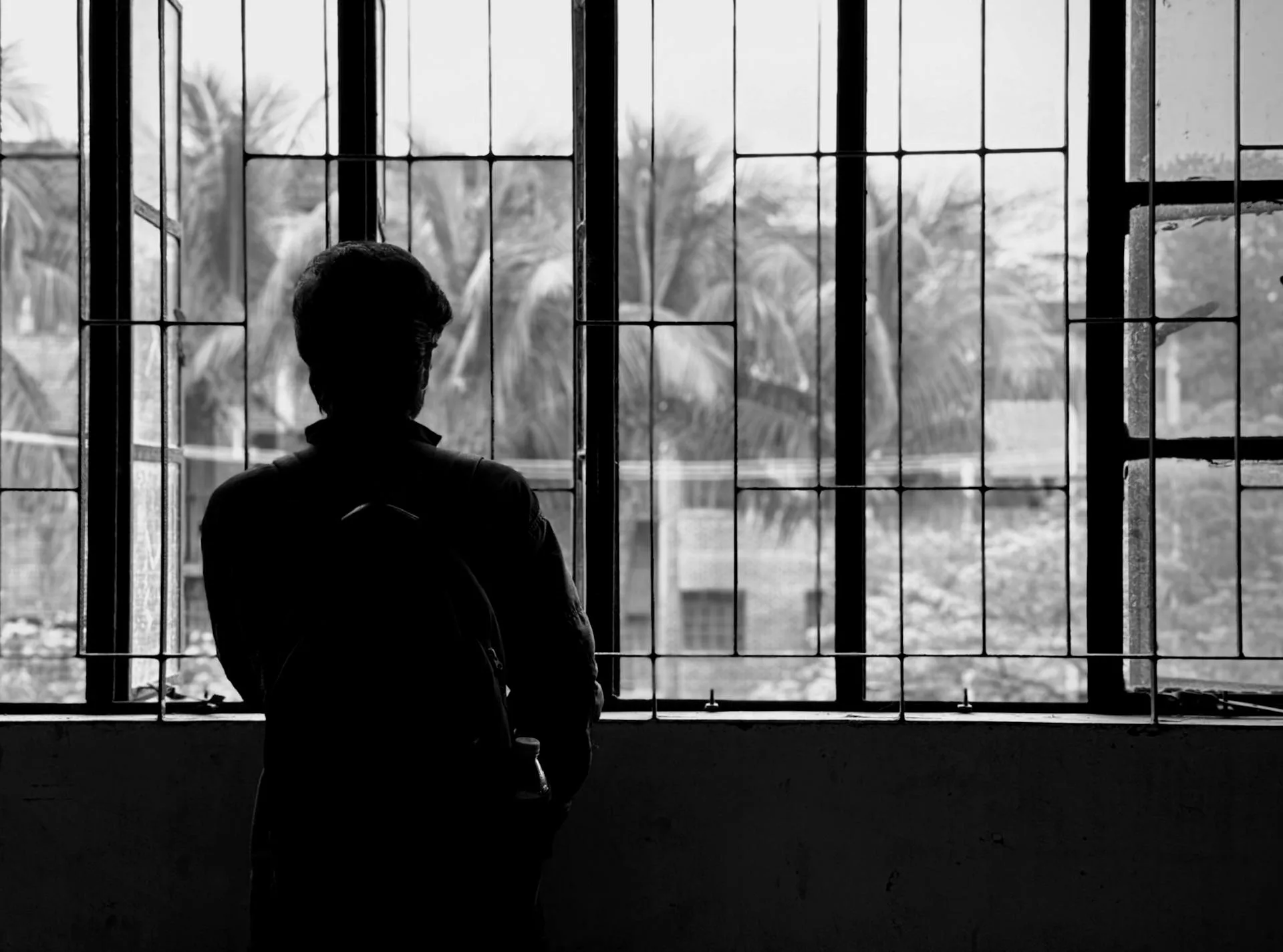

There’s a moment between the doing and the stopping that feels unexpectedly uncomfortable.
Not the exhaustion. Not the desire for rest. But the actual slowing down — the moment the calendar clears, the task list ends, and there’s nothing demanding our immediate attention.
For many of us, that moment doesn’t feel like relief. It feels like danger.
We fill it quickly. We check phones, start new tasks, make plans, find something — anything — to keep moving. Not because we want to, but because stopping feels unfamiliar. And unfamiliar feels unsafe.
I’ve noticed that the fear of slowing down often has very little to do with time management. It has to do with identity. With the quiet belief that our worth is tied to how much we do.

When being busy becomes our way of proving value — to others, or to ourselves — rest starts to feel like a threat. Because if I’m not doing, who am I? If I’m not producing, am I enough?
These aren’t questions we ask consciously. They live beneath the surface, driving behaviour we don’t fully understand. And they make rest feel like laziness rather than what it actually is: a basic human need.
Many people I’ve worked with describe the same experience. When they finally slow down — a holiday, a quiet weekend, a pause between projects — they don’t feel rested. They feel anxious. Restless. Sometimes even guilty.
Because the silence gives space for everything they’ve been outrunning to catch up.
“We don’t fear rest. We fear what we’ll feel when we stop running from ourselves.
Slowing down often brings up emotions we didn’t know were there. Not because the emotions are new, but because we’ve been too busy to notice them.
Sadness. Uncertainty. Loneliness. A quiet questioning of choices we’ve made. These feelings aren’t problems caused by rest. They were always there. Rest just made them visible.
And that visibility, as uncomfortable as it is, is actually a gift. Because what we can see, we can begin to understand. And what we can understand, we can eventually make peace with.
The fear of slowing down is often the fear of meeting ourselves honestly. And that meeting, while difficult, is where real healing begins.

You don’t have to earn rest by first reaching the point of collapse.
Rest is not a reward for productivity. It’s not something you deserve only after everything is done. It’s a way of being with yourself — honestly, gently, without the armour of constant action.
If slowing down feels uncomfortable, that’s worth noticing. Not as a flaw, but as information. What is the stillness showing you that the noise was hiding?
You don’t need to answer that right away.
Just let the question sit.
Sometimes, the bravest thing you can do is simply stop.